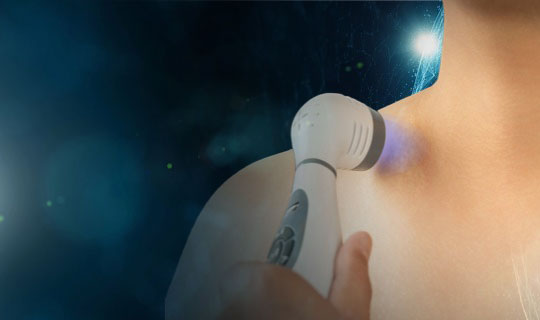
Effective Home Phototherapy Device for Vitiligo | Portable UVB Light for Skin Repigmentation
Looking for a home phototherapy device for vitiligo? A portable UVB light offers a convenient, clinically proven way to stimulate skin repigmentation without frequent clinic visits.
308nm Narrowband UVB Phototherapy Machine for Vitiligo Treatment
If you're exploring treatment options for vitiligo, you've likely encountered the term "308nm phototherapy." This wavelength has emerged as a powerful tool for repigmentation, particularly for patients with localized patches affecting less than 10% of their body surface area . But what exactly is 308nm light, how does it differ from traditional narrowband UVB, and which device is right for you?

Protecting Your Skin from Sun After Vitiligo Phototherapy Treatment
You have just finished your phototherapy session. The targeted UVB light has done its work — stimulating melanocyte stem cells, suppressing the local immune attack, and setting the stage for repigmentation. But now, as you step outside, a new challenge awaits: natural sunlight. Many people assume that because phototherapy uses ultraviolet light, their skin is already "conditioned" for sun exposure. This assumption is dangerous and, in the case of vitiligo, potentially counterproductive.
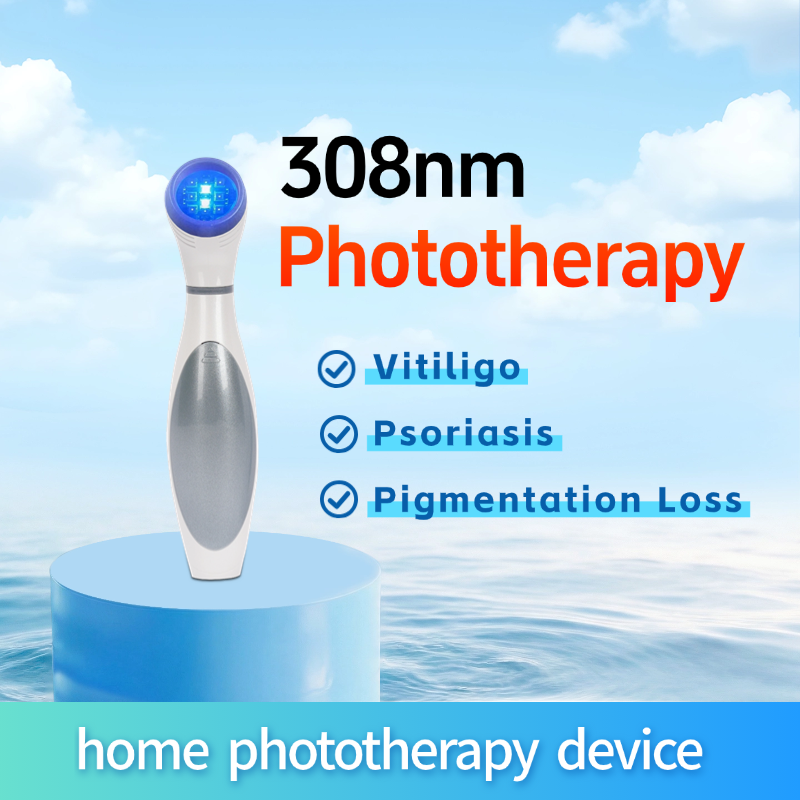
Effective Phototherapy for Lip and Eyelid Vitiligo: What to Expect
Treating vitiligo on the lips and eyelids presents unique challenges. These periorificial sites are highly visible, emotionally significant, and anatomically sensitive. The thin, delicate skin around the eyes and the specialized mucosal tissue of the lips require treatment approaches that differ substantially from those used on the trunk or limbs.
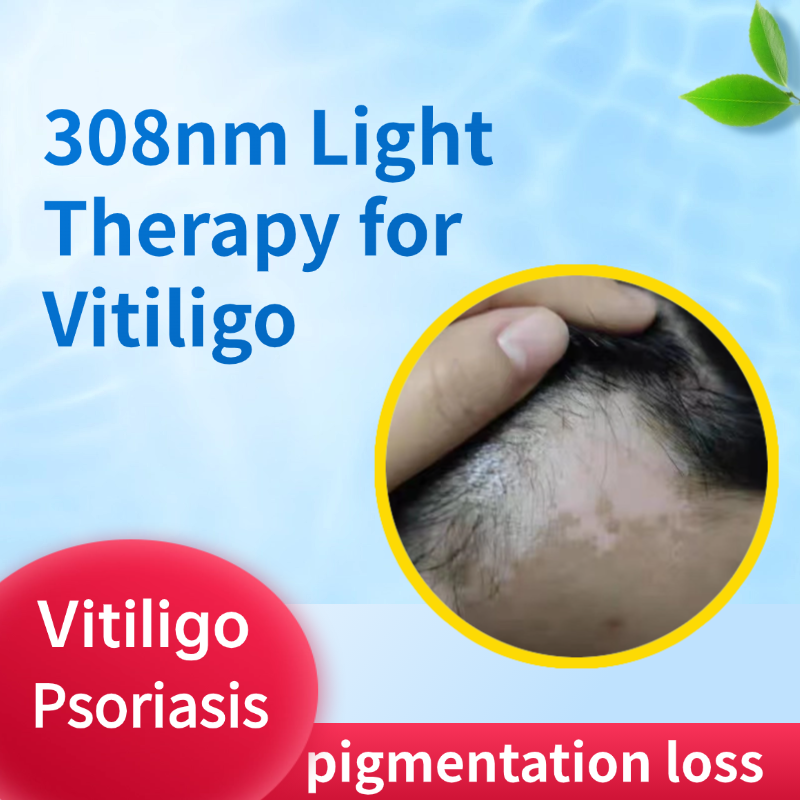
Vitiligo Phototherapy for Children: Safety Guidelines and Best Practices
Treating vitiligo in children requires a careful balance: you want to be aggressive enough to achieve repigmentation, but gentle enough to protect developing skin. The good news is that phototherapy—particularly narrowband UVB (NB-UVB) and the 308nm excimer laser—has emerged as a safe, well-tolerated, and effective treatment option for pediatric vitiligo. This guide walks you through everything parents and caregivers need to know, from how these treatments work to what the latest medical guideli
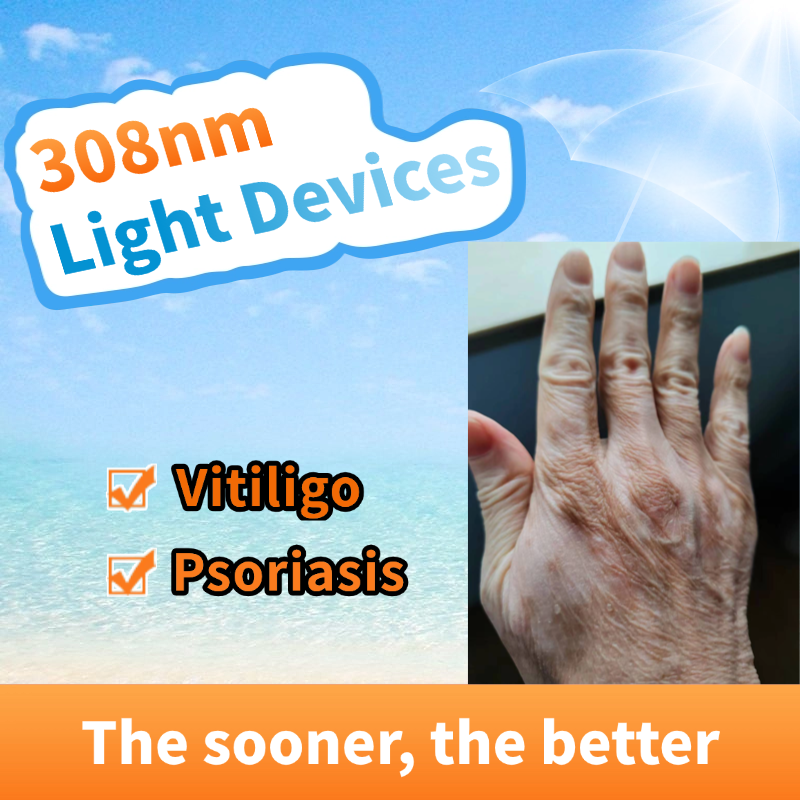
Best Home UVB Devices for Vitiligo: Reviews and Buying Guide
Bringing treatment into your home eliminates the daily hurdles of clinic visits, making it easier to stick with the consistent schedule your skin needs to heal. This guide cuts through the noise, offering an unbiased look at the science, the leading devices, and the key safety features to help you choose with confidence.
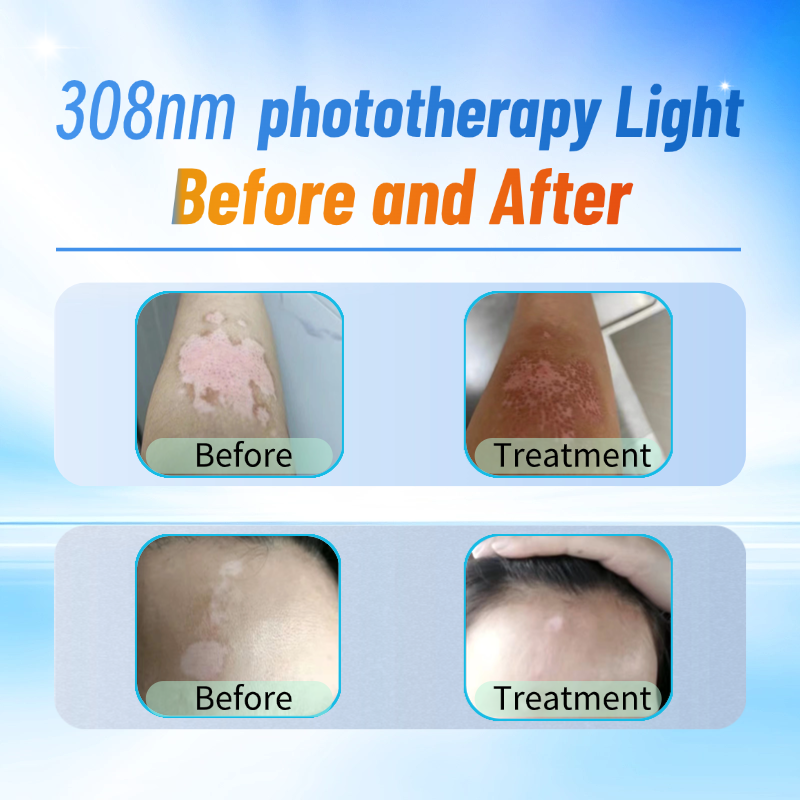
Boosting Results: Combining NB-UVB with Vitamin D Analogues for Vitiligo
Narrowband UVB (NB-UVB) phototherapy is widely considered a first-line treatment for generalized vitiligo. Yet many patients and clinicians seek ways to accelerate response rates and improve outcomes. One of the most evidence-backed strategies is combining NB-UVB with topical vitamin D analogues—synthetic compounds that mimic the actions of vitamin D in the skin.

Using Narrowband UVB for Vitiligo During Pregnancy: What Doctors Say
If you are pregnant and have vitiligo, you may be wondering whether you can continue — or start — narrowband UVB (NB-UVB) phototherapy. Is it safe for your baby? Will it harm your pregnancy? And what do dermatologists actually recommend? Here is what the medical evidence and expert guidelines say about using NB-UVB phototherapy for vitiligo during pregnancy.
Is Phototherapy Safe for Sensitive Skin with Vitiligo? Tips to Avoid Burns
If you have vitiligo and also struggle with sensitive skin — skin that easily reddens, stings, or reacts to products — you may understandably be nervous about phototherapy. After all, UV light is designed to trigger a controlled reaction in your skin. Could that reaction go too far? Could you burn?
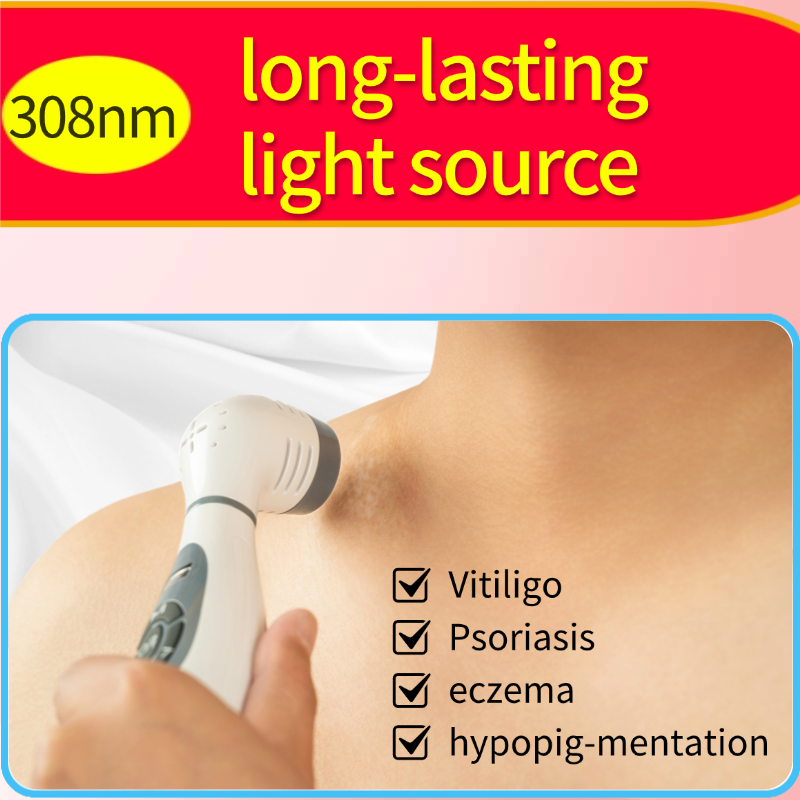
Home Phototherapy vs. In-Office Laser for Vitiligo: Pros and Cons
If you have vitiligo, targeted phototherapy using a 308 nm excimer laser is one of the most effective ways to restore pigment. But a major question remains: should you receive the treatment in a dermatologist’s office, or can you achieve similar results with a home device?