
Does Home Phototherapy Work for Vitiligo? | Efficacy of NB-UVB Devices for Skin Repigmentation
Yes, home phototherapy works. Multiple large-scale studies and meta-analyses published within the last 2 years confirm that home-based narrowband UVB (NB-UVB) is not inferior to in-office treatment for repigmenting vitiligo patches—and patients often adhere better to home regimens
What If Phototherapy Doesn’t Work for Your Vitiligo? Next Steps
It is natural to feel disheartened if phototherapy hasn't delivered the results you hoped for. However, this situation is not the end of the road. It is simply a signal to reassess and explore the many other powerful options now available.
Are Cheap Home Phototherapy Lamps for Vitiligo Worth It? Buyer Beware
When considering phototherapy for vitiligo, a cheap, no-name device might look like a tempting shortcut to save money. But the reality is that these unregulated products can be a gamble with your health and wallet. While home phototherapy itself is a proven, effective treatment, the key is using the right device safely. This guide will help you navigate the market and make a safe, informed choice.
How to Choose a Handheld 308nm Laser for Small Vitiligo Patches
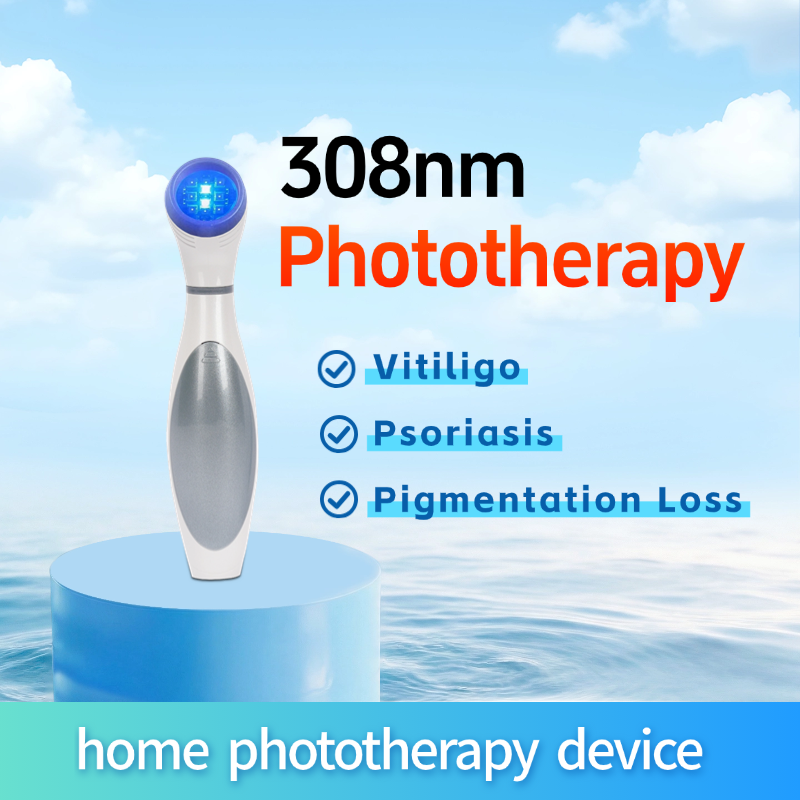
Choosing a handheld 308nm laser for small vitiligo patches is a significant decision. The key is finding a safe, effective device that fits your needs and budget. This guide will break down everything you need to know.
Phototherapy Plus Topical Tacrolimus for Vitiligo: Better Together?
If you have vitiligo, you have likely encountered a frustrating reality: single treatments often work, but rarely as well as you hope. Topical creams can take months to show modest results. Phototherapy sessions require consistency and patience. Neither is a guaranteed path to the repigmentation you are looking for.
How Long Does It Take to See Repigmentation from Vitiligo Phototherapy?
If you're considering phototherapy for vitiligo, patience is your most important ally. Repigmentation is a gradual process that occurs over months, not days, but with consistent treatment, many people see meaningful results.
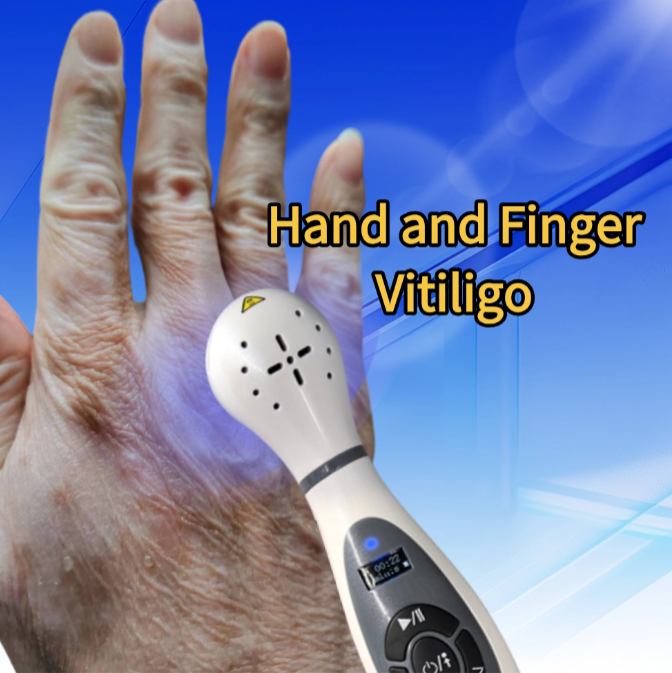
Phototherapy for Vitiligo on Hands and Feet: Does It Work?
If you have vitiligo on your hands and feet, you already know how frustrating it can be. These areas are highly visible, often resistant to treatment, and can feel impossible to repigment. So when you hear about phototherapy as a treatment option, the first question that comes to mind is likely: Does it actually work for hands and feet?
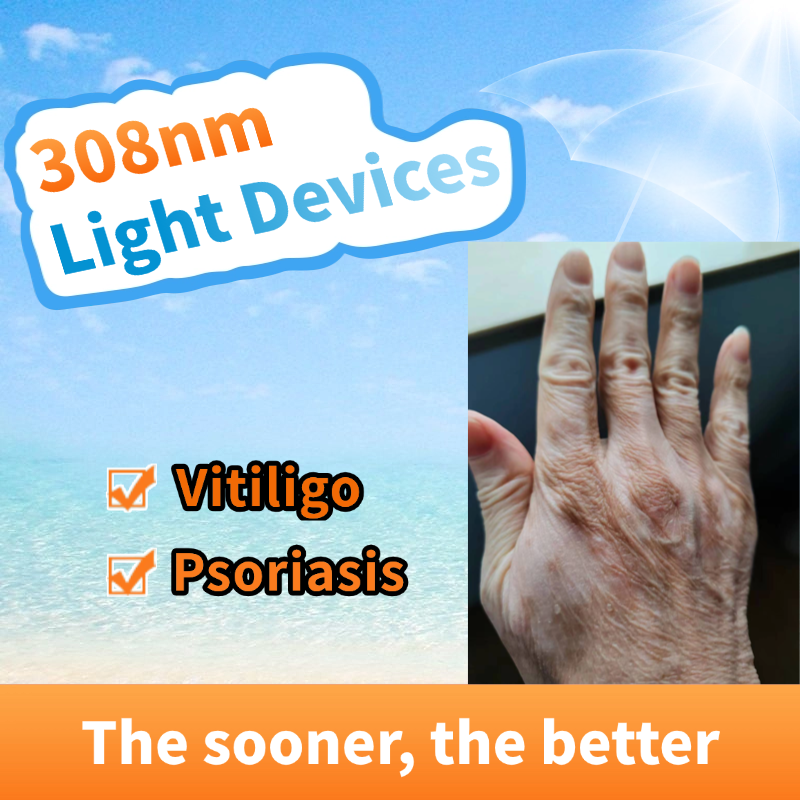
Does Vitiligo Come Back After Stopping Phototherapy? Long-term Outlook
Vitiligo is a chronic autoimmune condition, and achieving repigmentation through 308nm phototherapy is a significant milestone. However, one of the most common concerns patients have is: will the color last after I stop treatment? Here's what the research reveals about long-term outcomes.
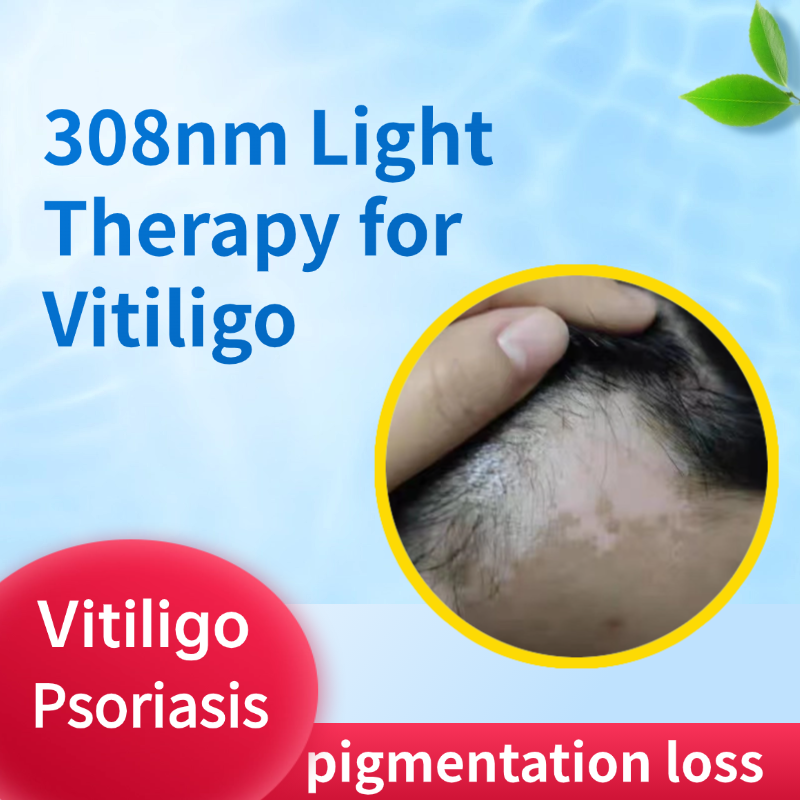
How Often Should You Use a 308nm Device for Vitiligo on Sensitive Areas?
If you are treating vitiligo on delicate skin like the face, neck, genitals, or skin folds, getting the frequency right is just as important as the dose. Treat too often and you risk burns or hyperpigmentation; treat too seldom and you will wait months for results. Here is the practical answer.
Treating Vitiligo on Lips and Eyelids with 308nm Laser: Is It Safe and Effective?
Vitiligo on the lips and eyelids can be particularly distressing because these areas are highly visible and central to facial expression and communication. Fortunately, 308nm excimer laser therapy has emerged as a safe and effective treatment option for precisely these sensitive locations—provided that certain precautions are taken. Here’s what you need to know.